

Gutter installation is a critical part of maintaining a home's foundation stability, especially in a state like Arkansas, where weather trends can change substantially across areas. Resident owners looking to set up gutters need to grasp the elements that affect expenses, the best materials for regional situations, and how the weather affects prolonged functionality. This manual offers a comprehensive summary of gutter installation prices in Arkansas, concentrating on price elements, supplies, and practical advice for residents. For dependable Gutter Installation in Arkansas in Arkansas, AGM Gutters provides professional support and effective approaches.
Aspects Affecting Gutter Installation Prices in Arkansas
When it comes to gutter installation in Arkansas, several aspects influence the ultimate cost. The size of the home, the intricacy of the roofline, and the kind of resources used every play a role in pricing. Moreover, the position within the state can impact prices due to variations in area staff charges and resource access. For example, in urban areas like Little Rock, where precipitation is greater, residents may need additional extensive solutions to manage rainwater properly.
Another significant factor is the kind of gutter system selected. Unbroken gutters, which are designed to the home, tend to be additional expensive than traditional segmented models. However, they provide superior effectiveness and are lower apt to drip. The count of downspouts necessary also influences the cost, as more drainpipes mean greater supplies and labor. In areas like the Ozark Mountains, where runoff challenges are more, additional components may be necessary to ensure correct liquid movement off the foundation.
Residents should also consider the expense of expert services. While some may try a Homegrown installation, engaging a licensed builder guarantees the task is done properly and securely. In Arkansas, professional gutter installation solutions typically have a assurance, which can supply peace of mind and long-term savings. The price of work can vary depending on the professional's expertise and the period of season, with greater rates during busy times like early summer and early summer.
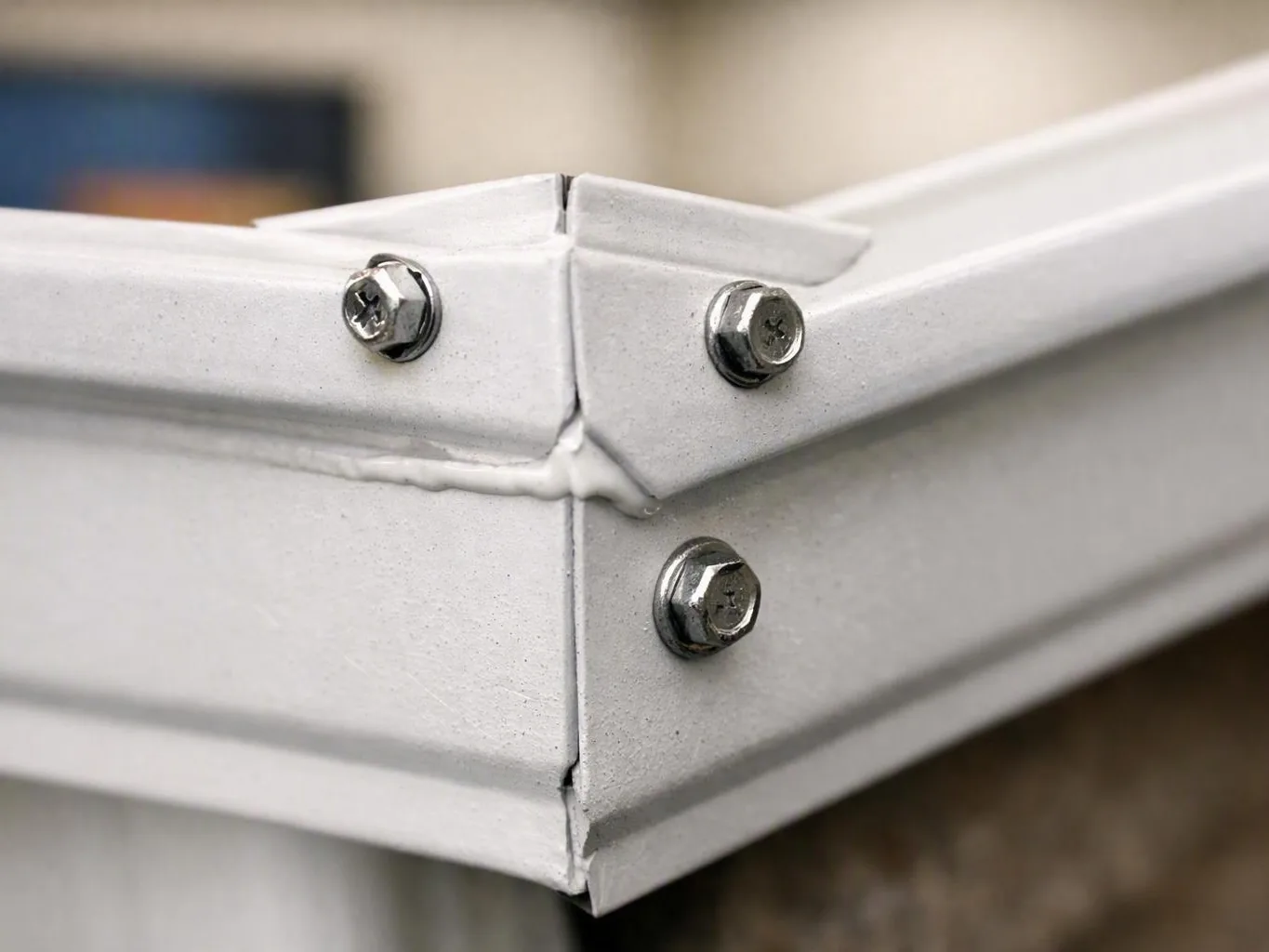
Ultimately, construction codes and regional rules may impact the cost of gutter installation. In certain regions, specific demands for gutter size, supply, and position must be followed. These regulations are set up to make sure that gutters operate properly and will not cause injury to the home or neighboring places. It's important for residents to explore these rules before initiating any setup effort.
Frequent Gutter Materials Used in Arkansas
Picking the right material for gutters is vital for ensuring durability and operation in Arkansas's climate. The most typical materials used in the state include aluminum, steel, and vinyl. Each has its own advantages and disadvantages, and the best choice depends on the homeowner's spending plan, climate conditions, and long-term upkeep preferences.
Aluminum gutters are a popular option in Arkansas due to their lightweight nature, affordability, and resistance to rust. They are easy to install and can be customized to fit multiple rooflines. Still, they are not as strong as steel and may dent or sag over time, particularly in areas with heavy rainfall. In cities like Fayetteville, where seasonal temperature fluctuations are common, aluminum gutters may call for more regular upkeep to prevent damage.
Steel gutters, on the other hand, offer greater strength and durability. They are ideal for homes in regions with heavy rainfall, such as the Little Rock area, where water runoff can be major. Nevertheless, steel is more prone to rust unless it is coated with a protective layer. Galvanized steel or steel with a corrosion-resistant finish is often recommended for Arkansas homes to ensure longevity.
While vinyl gutters are the least expensive option, they are not as durable as aluminum or steel. They can become brittle in extreme temperatures and may not hold up well in areas with frequent storms. For this reason, vinyl gutters are not typically recommended for homes in regions like Fort Smith, where springtime thunderstorms are common. Homeowners looking for a balance between cost and performance often opt for aluminum or steel gutters, which provide a good combination of durability and affordability.
How Arkansas Climate Impacts Gutter Installation
The climate in Arkansas plays a major role in determining the effectiveness and longevity of gutter systems. The state experiences a humid subtropical climate, with hot summers and mild winters. This climate leads to frequent rainfall, especially in the central and eastern regions, which can put extra strain on gutters. Knowing how the weather affects gutter operation is essential for making informed decisions about installation and maintenance.
One of the most substantial weather effects on gutters is the amount of rainfall. Arkansas receives an average of 50 inches of rain annually, with some areas, like Little Rock, experiencing even more. This high level of precipitation means that gutters must be designed to tackle large volumes of water. In regions like the Ozark Mountains, where drainage challenges are more complex, property owners may call for to invest in larger or more robust gutter installations to avoid water damage.
Another factor to weigh is the impact of temperature fluctuations. Arkansas experiences a wide range of temperatures throughout the year, which can affect the performance of different gutter materials. For example, aluminum gutters may expand and contract with temperature changes, leading to likely leaks or sagging. In contrast, steel gutters are more resistant to temperature changes but may need further protection against corrosion.
Storms and heavy winds also play a role in gutter operation. In cities like Fort Smith, where springtime thunderstorms are common, gutters must be able to manage sudden and intense rainfall. This often means using materials that are more durable and designing systems that can manage large volumes of water efficiently. Homeowners in these areas may also need to install additional components, such as leaf guards or downspout extensions, to ensure that water is directed away from the home's foundation.
Understanding the local weather and its impact on gutters is crucial for making the right installation choices. By selecting the appropriate materials and design, homeowners can ensure that their gutters perform effectively and last for many years, even in challenging weather conditions.
Rainfall Patterns in Arkansas and Gutter Design
Precipitation trends in Arkansas vary across different regions, influencing the design and performance of gutter systems. In the central part of the state, particularly in areas like Little Rock, rainfall is more consistent throughout the year. This means that gutters must be designed to handle a steady flow of water, ensuring that it is effectively directed away from the home. In contrast, the western and northern parts of Arkansas, including regions like the Ozark Mountains, experience more sporadic but intense rainfall, requiring gutters that can manage sudden surges of water.
Stormwater management is a key consideration when designing gutters for Arkansas homes. In areas with heavy rainfall, such as Fayetteville, it's important to install gutters that can handle large volumes of water without overflowing. This often involves using more substantial gutters or adding extra downspouts to ensure that water is properly drained away from the home's foundation. In regions with more unpredictable weather, such as Fort Smith, homeowners may also need to consider installing features like leaf guards or splash blocks to stop clogs and water damage.
Local weather conditions also influence the type of gutter system that is most effective. In areas with high humidity, such as the southeastern part of the state, gutters must be designed to prevent water from gathering or causing mold and mildew. This can be achieved by using materials that are immune to corrosion and by ensuring that gutters are adequately sloped to allow for efficient water flow. By taking these factors into account, homeowners can choose a gutter system that is well-suited to the specific weather conditions in their area.
Best Gutter Materials for Arkansas Weather
Selecting the best gutter materials for Arkansas weather is essential for ensuring long-term performance and durability. The state's climate, which includes high rainfall and temperature fluctuations, requires materials that can withstand these conditions without deteriorating. Homeowners should consider factors such as corrosion resistance, durability, and maintenance requirements when choosing the right materials for their gutter system.
Sheet gutters are a popular choice in Arkansas due to their resistance to rust and relatively low cost. They are lightweight and easy to install, making them a practical option for many homeowners. However, they may not be the best choice for areas with heavy rainfall, as they can be prone to sagging or denting over time. In cities like Fayetteville, where seasonal temperature changes are common, sheet gutters may require more frequent maintenance to prevent damage.
Metal gutters offer greater strength and durability, making them a good option for homes in regions with heavy rainfall. They are more resistant to damage than aluminum and can withstand the weight of ice and snow in colder months. However, steel is more prone to rust unless it is coated with a protective layer. In areas like Little Rock, where rainfall is high, homeowners may want to choose corrosion-resistant steel or metal with a corrosion-resistant finish to ensure long-term performance.
While synthetic gutters are the most affordable option, they are not as durable as sheet or iron. They can become brittle in extreme temperatures and may not hold up well in areas with frequent storms. For this reason, plastic gutters are not typically recommended for homes in regions like Fort Smith, where springtime thunderstorms are common. Instead, homeowners in these areas may opt for materials that offer greater strength and resistance to weather-related damage.
By selecting the right materials based on the specific climate conditions in their area, homeowners can ensure that their gutters perform effectively and last for many years. This not only saves money in the long run but also helps protect the home from water damage and other weather-related issues.
Average Gutter Installation Costs in Arkansas
Gutter installation costs in Arkansas can vary depending on multiple elements, including the size of the property, the type of materials used, and the complexity of the installation. On average, property owners can expect to pay between $3 and $7 per linear foot for professional gutter installation. This range can increase for larger homes or those with unique rooflines that call for more extensive work.
For a typical single-family home, the total cost of gutter installation can range from $1,000 to $3,000. This estimate includes the cost of materials, labor, and any extra components such as downspouts or leaf guards. In cities like Little Rock, where rainfall is higher, homeowners may need to invest in more robust systems, which can increase the altogether cost. Similarly, in areas like the Ozark Mountains, where drainage challenges are more complex, extra parts may be required to confirm correct water flow.
The type of materials used also plays a substantial role in determining the final cost. Aluminum gutters are normally the most affordable option, while steel gutters tend to be more costly due to their durability and strength. Vinyl gutters are the least high-priced but may not be the best selection for homes in areas with heavy rainfall or extreme weather conditions. Property owners should also consider the cost of professional services, as hiring a licensed contractor ensures the job is done correctly and safely.
When planning a gutter installation project, it's important to get multiple quotes from local contractors to compare prices and services. This allows homeowners to make an informed decision based on their budget and specific needs. Additionally, considering the long-term benefits of a well-installed gutter system can help justify the initial investment, as it can prevent costly water damage and reduce the need for repairs in the future.
Qualified Gutter Installation Process in Arkansas
Qualified gutter installation in Arkansas involves multiple key stages to make sure that the installation is installed accurately and functions effectively. The procedure usually begins with an initial assessment of the home's roofline, which helps determine the size and type of gutter installation required. This assessment also identifies any possible concerns, such as existing damage or drainage issues, that may require to be addressed before installation.
Once the assessment is comprehensive, the contractor will measure the property's perimeter to determine the length of gutters required. This step is vital for ensuring that the installation is correctly sized and that all necessary components, such as downspouts and brackets, are included. In areas like Fort Smith, where springtime thunderstorms are common, additional downspouts may be installed to handle increased water flow and prevent overflow.
The next step involves preparing the roof for installation. This includes securing the gutters to the fascia board and ensuring that they are properly sloped to allow for efficient water flow. In regions with heavy rainfall, such as Little Rock, it's important to install gutters that can handle large volumes of water without sagging or leaking. Contractors may also install additional components, such as leaf guards or splash blocks, to improve the system's performance and reduce the need for frequent maintenance.
After the gutters are installed, the contractor will inspect the system to ensure that it is functioning correctly. This includes checking for leaks, verifying that the slope is adequate, and confirming that all components are securely fastened. In areas like Fayetteville, where seasonal temperature fluctuations are common, contractors may also recommend periodic inspections to ensure that the system remains in good condition throughout the year.
Finally, the contractor will provide the homeowner with a warranty or maintenance recommendations to ensure that the gutter system continues to perform effectively. This step is essential for protecting the investment and ensuring that the system remains in good working order for years to come.
Gutter care Guidelines for Arkansas homeowners
Keeping gutters is crucial for making sure their long-term functioning and stopping water injury to a home. In Arkansas, where precipitation can be heavy and uncertain, frequent upkeep is especially important. Homeowners should spend the time to inspect and clean their gutters to ensure that they are operating properly and can manage the area climate.
A of the most vital care responsibilities is clearing gutters to remove waste such as leaves, branches, and mud. https://blogfreely.net/tellercough21/how-to-evaluate-why-do-gutters-fail-in-arkansas-key-causes-and-solutions These materials can gather over time and lead to clogs, which can lead to water spill and injury to the property's foundation. In regions like the Ozark Mountains, where runoff issues are higher complex, property owners may need to remove their gutters frequently to stop obstructions. A common guideline of thumb is to clear gutters during minimum twice a annually, one time in the first season and one instance in the autumn, to make sure that they are set for the shifting periods.
Homeowners should also inspect their gutters for signs of harm, such as drips, bending, or loose fasteners. In regions like Little Rock, where rainfall is high, even minor leaks can lead to major water injury over duration. If any problems are detected, it's vital to handle them promptly to prevent additional damage. In some instances, small repairs can be executed by the homeowner, while greater extensive issues may demand the support of a expert builder.
Another vital upkeep task is examining the drain pipes to make sure that they are guiding water off from the home's groundwork. In areas like Fort Smith, where early season storms are common, it's important to make sure that drain pipes are correctly placed and operating properly. If required, property owners can set up additional drain extensions or splash items to improve drainage and stop liquid from pooling close to the residence.
In conclusion, property owners should think about the long-term advantages of frequent maintenance. By keeping gutters in fine state, they can avoid high fixes and extend the length of the setup. https://pad.stuve.de/FIOqpVQkRQq2VsXXF3G1QA In Arkansas, where the weather can be difficult, maintaining gutters is an important part of property maintenance and can assist protect the property from liquid-related damage.
FAQ
What are the typical types of gutters used in Arkansas?
The popular kinds of gutters applied in Arkansas are aluminum and steel gutters. These materials supply a reasonable equilibrium of toughness, cost-effectiveness, and ability to environmental factors. Polyvinyl chloride gutters are also used, but they are uncommon due to their reduced durability in harsh conditions.
How do environmental conditions in Arkansas influence gutter installation procedure?
Environmental conditions in Arkansas, for example heavy precipitation, and fluctuating temperatures can influence the performance and endurance of gutters. Homes in areas with heavy rainfall, like Little Rock, may require sturdier setup to handle considerable water quantity. Temperature variations can also influence the elements utilized, with some types of gutters being more ideal for particular environmental conditions.
What materials are best suited for Arkansas environment?
Aluminum and metal gutters are most suitable for Arkansas climate due to their toughness and resistance to rust. Aluminum alloy is lightweight and cost-effective. Iron delivers more strength and endurance. Both materials are suitable for the state's weather, which comprises substantial precipitation and temperature fluctuations.
What is the typical cost of gutter installation in Arkansas?
The usual cost of gutter installation in Arkansas varies from 3 to 7 per linear foot. For a residential property the overall cost can be from 1,000 and 3,000, depending on the size of the property, the kind of materials applied, and the difficulty of the installation. Additional costs may be charged for unique setups or areas with specific drainage issues.
What are the processes involved in qualified gutter installation?
Skilled gutter installation setup involves several procedures, such as an initial review of the property, determining the perimeter, getting ready the surface for installation procedure, mounting the gutters, and inspecting the configuration for proper function. In places with high precipitation, more additions may be included to provide optimal water drainage and stop overflows.