

After having your gutters installed, it's important to take a few moments to ensure everything is working as it should. Properly functioning gutters protect your home from moisture issues, structural problems, and yard degradation. Whether you're a homeowner in Arkansas or a contractor, a quick inspection can help you avoid costs down the line. AGM Gutters is a trusted provider for Gutter Installation in Arkansas, and their attention to detail guarantees your system is set up for extended durability.
1. Inspect for Water Flow and Drainage
One of the most essential steps after gutter installation is to observe how water flows through the setup. During or after a rainstorm, walk around your residence and look for areas where water is pooling or not draining correctly. Gutters should direct water away from your foundation and into downspouts. If you notice water running over the edges or pooling near the base of your house, there may be an problem with the slope or alignment of the gutters.
Take time to check the downspouts as well. They should be directing water at least five feet away from your property. If the water is not flowing smoothly, it could indicate a clog or a misalignment. A simple adjustment or cleaning might be all that's required to correct the issue.
2. Check for Leaks or Openings in the Configuration
Examine the entire extent of your gutters for any indications of Leaks or Gaps. These can arise at the edges, around turns, or where the gutters connect to the downspouts. Even small Faults can lead to wet damage over time, so it's crucial to detect them early. Run your fingers along the inside of the gutters or utilize a flashlight to inspect for any noticeable openings or gouges.
If you find a fault, it’s most suitable to tackle it right away. Based on the size and location, you might be capable to patch it with a adhesive or replace a segment of the gutter. For larger problems, a expert may need reseal or replace components of the configuration. Frequent inspections can assist avoid small issues from changing major repairs.
3. Inspect the Securing and Support Systems
Gutters need to be properly secured to your roof to operate effectively. Check the brackets, hangers, and screws that fasten the gutters in place. Loose or damaged fasteners can cause gutters to fall or separate from the house, causing inefficient drainage and structural issues. If you notice any of these issues, tighten or fix the fasteners as necessary.
Reinforcement structures are vital in Arkansas, where environmental factors can vary. Powerful gusts, heavy rain, and thermal fluctuations can impact the security of your gutters. Verify the brackets are correctly positioned and that the gutters are firmly anchored along their complete length. This helps prevent sagging and provides the system functions properly.
4. Inspect the Drainpipes for Blockages
Downspouts are a important part of your gutter system, assigned for carrying water away from your home. To test them, pour a bucket of water into the top of the downspout and monitor how it travels. If the water flows quickly and smoothly, the downspout is probably clear. If it slows or flows back, there may be a blockage inside.
Obstructions can be triggered by leaves, debris, or even small animals. Use a garden sprinkler to rinse the downspout from the top, or look into putting in a downspout cover to stop future clogs. Regular maintenance of the downspouts supports ensure your gutters continue to work properly and guard your home from water issues.
5. Examine the Surrounding Area for Moisture Damage
After your gutters are installed, take a close look at the area around your home. Check the foundation, basement, and landscaping for any signals of water damage. Look for cracks, wet soil, or standing water near the base of your house. These can indicate that your gutters are not directing water away effectively.
Also, examine the walls and roof for any signs of water intrusion. Water spots, mold, or peeling paint can be initial warning signals of a problem. If you see any of these issues, it may be time to reevaluate the installation or make changes to the system. A well-cared-for gutter system can avoid costly maintenance and safeguard your home for years to come.
Questions You Might Have
How often should I check my gutters after system?
It’s a good idea to check your gutters at least two a year, once in the early season and one time in the fall. This helps catch any problems early and ensures the system is working properly. After heavy storms, a short inspection can also be helpful.
What should I do if I locate a gap in my gutters?
If you locate a opening, begin by washing the spot and examining for spaces or holes. Little gaps can often be corrected with a compound or compound. For larger issues, you may need to replace a section of the gutter. If you're unsure, it's constantly most suitable to seek a expert for fixes.
Can I install gutters myself, or should I employ a professional?
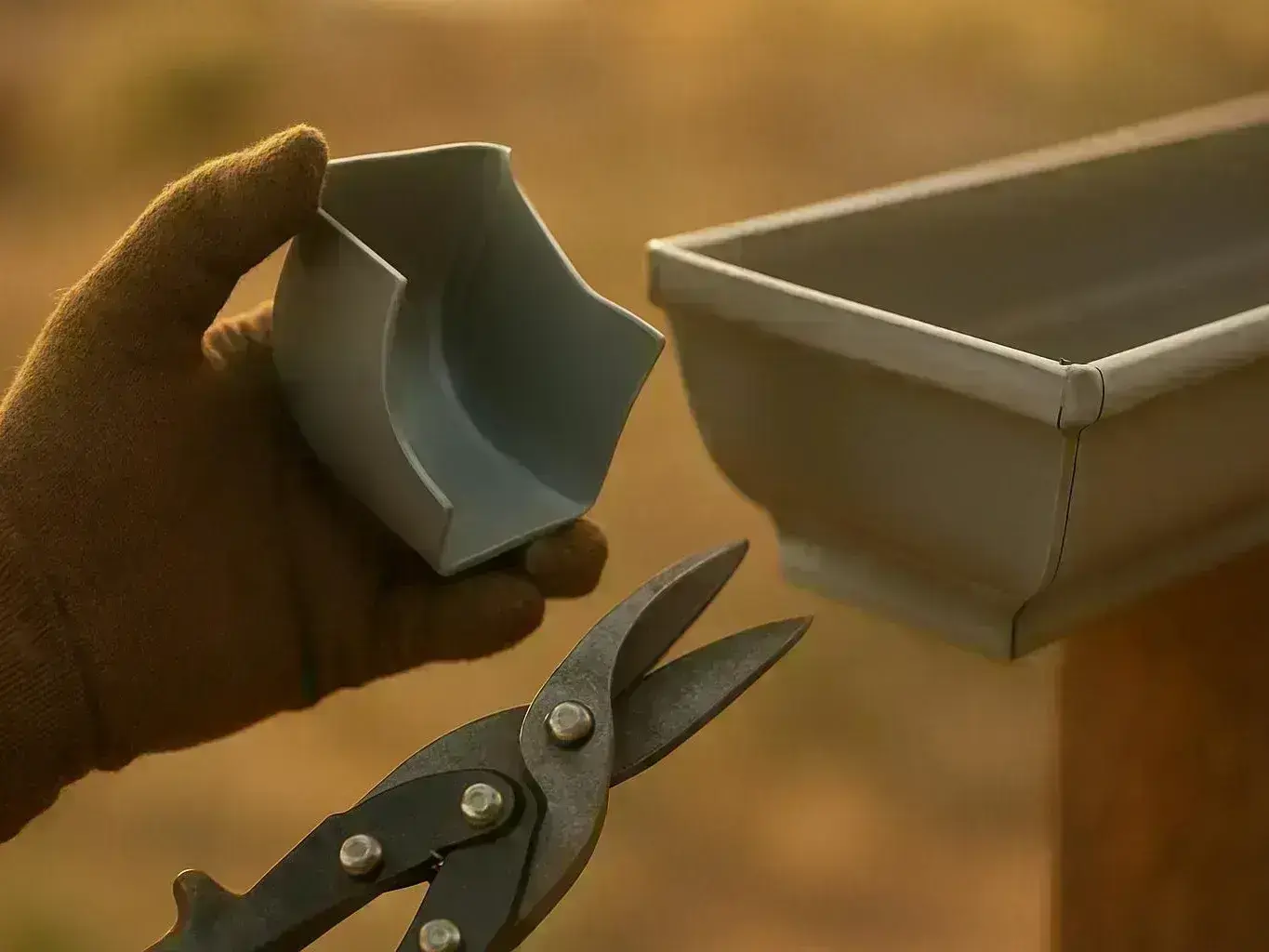
While some homeowners select to put in gutters by themselves, it’s often best to hire a expert, mainly for complex installations or if you're lacking experience. A expert guarantees the gutters are put in properly, correctly sloped, and securely fastened. This assists avoid subsequent issues and makes sure your setup operates as planned.
Last updated November 2026